
Knitting in Elastic Thread
Description
Technical Parameters
Products Description
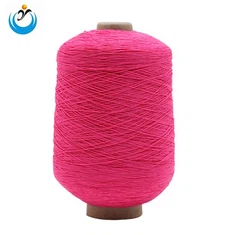
"Knitting in elastic thread" refers to a technique used in textile manufacturing to incorporate elastic properties into knitted fabrics. This technique involves blending regular yarn with an elastic thread during the knitting process. The elastic thread, usually made of rubber or spandex, is interwoven with the main yarn, resulting in a fabric that can stretch and recover to its original shape.
This innovative approach enhances the fabric's flexibility and stretchability, making it ideal for garments that require a snug fit or the ability to stretch and move with the wearer. The elastic thread allows the fabric to adapt to body movements, providing comfort and ease of wear. It finds extensive applications in sportswear, activewear, undergarments, medical garments, and other apparel where elasticity is desired.
The knitting process involving elastic thread requires specialized knitting machines that can handle both the regular yarn and the elastic thread simultaneously. The elastic thread is carefully integrated into the knit structure to achieve the desired elasticity while maintaining the fabric's overall appearance and texture.
Garments produced using this technique often offer a tailored fit, excellent shape retention, and improved durability. Additionally, they provide the wearer with freedom of movement, making them suitable for various active and dynamic activities. Overall, it revolutionizes the textile industry by creating versatile fabrics that blend comfort, style, and functionality.


Products Application
The Role of Elastic Yarn in Sportswear:
Elastic yarn is extensively utilized in sportswear to optimize performance and comfort. It is integrated into various sportswear components like waistbands, cuffs, and apparel body to provide stretchability and shape retention. The stretch offered by elastic yarn allows sportswear to conform to body movements without restricting mobility, enhancing the wearer's agility and flexibility during exercise or sports activities. Additionally, it helps in achieving a snug fit and assists in moisture-wicking, critical for keeping the body dry and cool during intense workouts. Whether in activewear, fitness leggings, sports bras, or athletic tops, elastic yarn plays a pivotal role in ensuring that sportswear provides the necessary support, freedom of movement, and overall functionality that athletes and fitness enthusiasts require for their workouts.

Enhancing Fit and Functionality in Sock Manufacturing:
Innovative Designs: Sock manufacturing now involves innovative designs that cater to specific needs and preferences. This includes ergonomic shaping, varying thicknesses for different parts of the foot, and designs that promote ventilation and moisture-wicking.
High-Quality Yarns: Utilizing premium yarns such as merino wool, bamboo, and high-tech synthetic fibers can enhance the softness, moisture management, breathability, and durability of socks. These materials provide a luxurious feel, minimize odor, and keep the feet dry and comfortable.
Specialized Knitting Techniques: Employing techniques like seamless knitting and utilizing fine gauges in the knitting process can create a smoother, irritation-free interior, reducing friction and potential blisters. Incorporating elastic threads during knitting helps achieve a secure fit and aids in maintaining the sock's shape.
Compression Technology: Integration of graduated compression zones in sock construction can enhance blood circulation, reduce muscle fatigue, and provide support to the feet and legs. This is particularly beneficial for athletes and individuals engaged in prolonged periods of activity.
Moisture-Wicking and Breathability: Designing socks with moisture-wicking properties and enhanced breathability helps in keeping the feet dry, preventing unpleasant odors, and reducing the risk of blisters, especially during intense physical activities.
Reinforced Heels and Toes: Reinforcing high-stress areas like heels and toes with extra padding or specialized yarns enhances durability and extends the lifespan of the socks, making them more resilient to wear and tear.
Anti-Odor and Antibacterial Treatments: Applying anti-odor and antibacterial treatments to the sock fibers can help combat unpleasant smells and maintain a fresh feeling, even after prolonged use.
Seamless Toe Closures: Utilizing seamless toe closure techniques eliminates irritation and discomfort around the toe area, enhancing overall comfort for the wearer.
By incorporating these advancements in design, material selection, knitting techniques, and additional features, sock manufacturers can create products that offer an improved fit, better support, enhanced durability, and enhanced performance, meeting the evolving demands and expectations of consumers.

Our Factory advantages
Our company ,YANGLONG TEXTILE CO.,LTD,was established in 2008 and was rated as a technology enterprise in 2009. The factory is located in the "sock capital" city - Zhuji, Tang Dynasty, Zhejiang. We mainly produce: imitation nylon yarn (fake nylon yarn), polyester high-elastic yarn, reflective yarn, luminous yarn, reflective yarn, spandex covered yarn, and elastic yarn. Our products have the characteristics of high elasticity, environmentally friendly dyeing, strong elasticity, and bright colors.Contact us now


FAQ:
1. What is "knitting in elastic thread"?
It is a technique used in textile manufacturing to incorporate elastic properties into knitted fabrics. This involves blending regular yarn with an elastic thread during the knitting process, resulting in a fabric that can stretch and recover to its original shape.
2. What are the benefits of it?
It enhances the flexibility and stretchability of the fabric, making it ideal for garments that require a snug fit or the ability to stretch and move with the wearer. The elastic thread allows the fabric to adapt to body movements, providing comfort and ease of wear. It is commonly used in sportswear, activewear, undergarments, medical garments, and other apparel where elasticity is desired.
3. What does the knitting process involving elastic thread require?
The knitting process involving elastic thread requires specialized knitting machines that can handle both the regular yarn and the elastic thread simultaneously. The elastic thread is carefully integrated into the knit structure to achieve the desired elasticity while maintaining the fabric's overall appearance and texture.
Hot Tags: knitting in elastic thread, China knitting in elastic thread manufacturers, suppliers, factory
Previous
Elastic Wool YarnSend Inquiry