

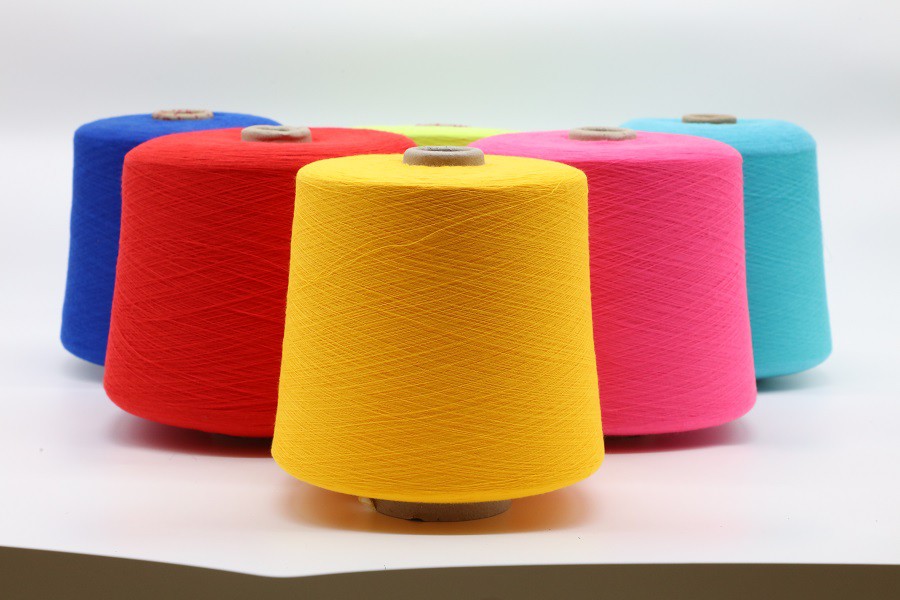
The Application Of Polyester Yarn In Packaging and Consumer Goods
In the Packaging and Consumer Goods sector, polyester yarn is valued for its strength, durability, and flexibility. It is commonly used in the production of packaging materials like ropes, straps, and nets, which require resistance to wear and environmental conditions. Polyester yarn is also utilized in consumer products such as outdoor furniture, backpacks, and footwear, where its lightweight nature and resilience to moisture, UV rays, and general wear make it an ideal choice for long-lasting, high-performance goods in both everyday and harsh outdoor environments.
high quality
Advanced Equipment
Professional Team
One-Stop Solution
Polyester yarn has become an essential material in various industries due to its exceptional versatility and durability. Whether in packaging or consumer goods, it offers a combination of strength, flexibility, and resistance to harsh conditions, making it a go-to choice for manufacturers seeking reliable solutions. Below, we will introduce several key products that showcase the wide range of applications and benefits of polyester yarn in both industrial and everyday settings. These products highlight the yarn's ability to enhance performance while maintaining cost-effectiveness and sustainability in production processes.
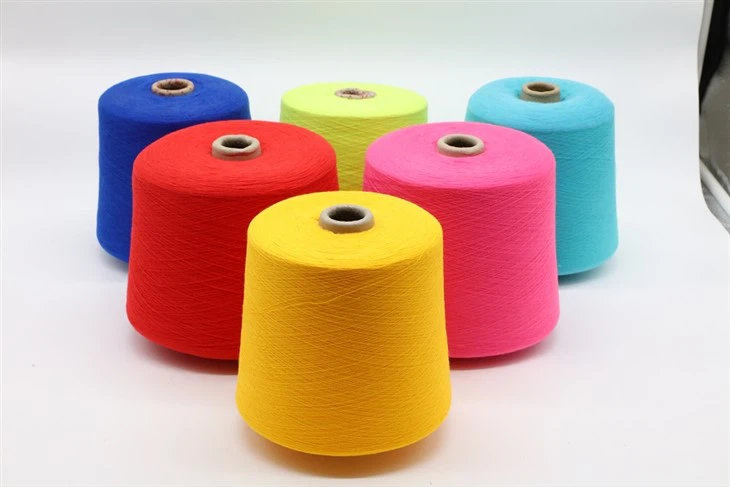
Roto Polyester Yarn
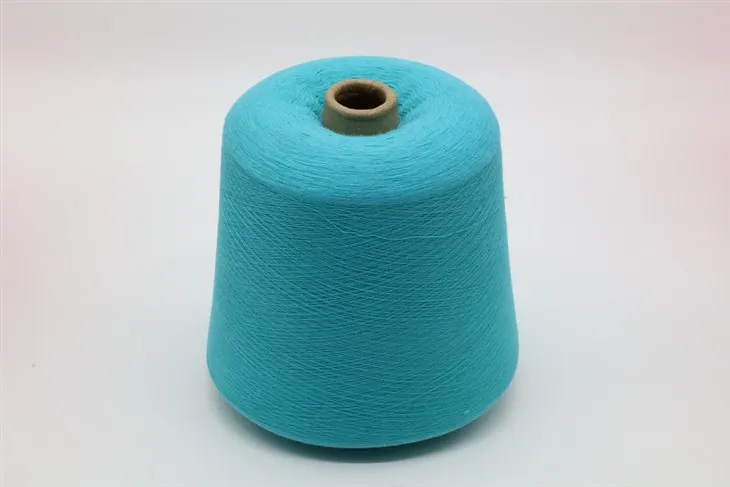
Poy Fdy Dty
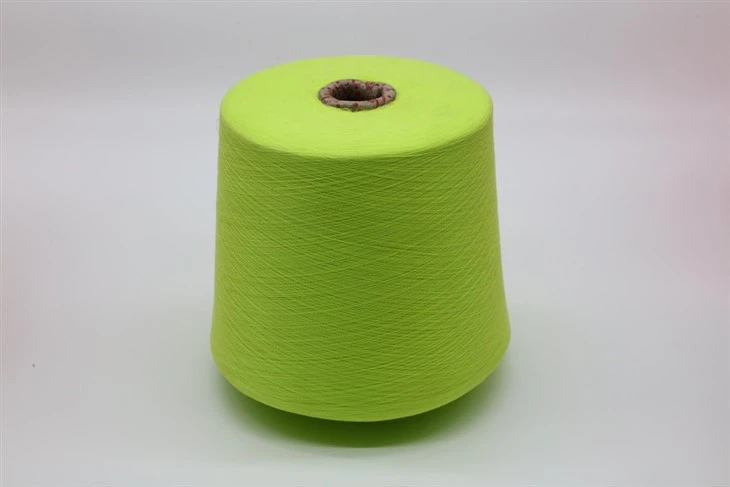
Terylene Yarn
Advantages of this product in the field of Packaging and Consumer Goods
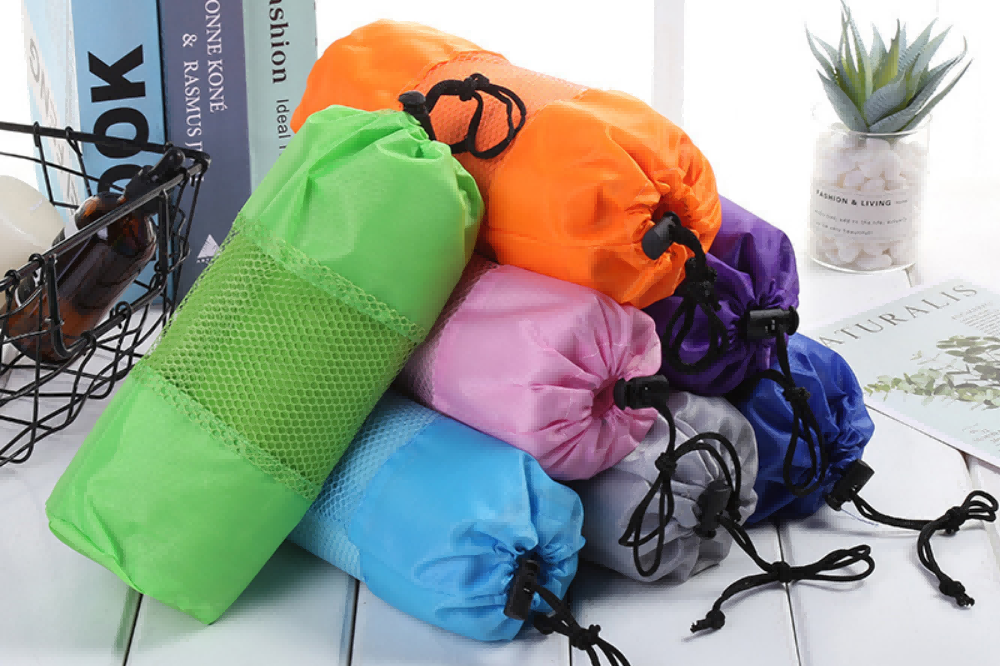
Durability and Strength:
Polyester yarn is renowned for its remarkable durability and tensile strength, making it a preferred material in packaging and consumer goods. This robustness is essential in applications where the products need to endure external stresses during handling and transportation. For example, bags, containers, and wraps made from polyester can resist tears, punctures, and wear, providing reliable protection for the contents. In the consumer goods sector, polyester textiles used in clothing, upholstery, and home furnishings offer long-lasting performance, contributing to higher product longevity and customer satisfaction.
Moisture and Chemical Resistance:
A key feature of polyester yarn is its low absorbency, which gives it excellent resistance to moisture. This property is particularly beneficial in packaging materials designed for products sensitive to humidity, such as food, electronics, and personal care items. Additionally, polyester's resistance to various chemicals makes it suitable for packaging items like cosmetics and cleaning agents, where exposure to moisture or harsh substances could compromise product integrity. In consumer goods, the material's moisture resistance is equally valuable in textiles, ensuring that fabrics maintain their quality and appearance even after exposure to wet conditions.

FAQ
1. What are the key benefits of using polyester yarn in packaging applications?
Polyester yarn offers numerous advantages in packaging, including durability, moisture resistance, and versatility. Its high tensile strength makes it ideal for creating strong and tear-resistant bags, containers, and wraps. Additionally, polyester's low moisture absorption prevents damage to the contents, making it suitable for various products, including food and electronics. The material can also be easily dyed and printed, allowing for attractive packaging designs.
2. How does polyester yarn contribute to sustainability in packaging?
The sustainability aspect of polyester yarn is significant, especially with the increasing production of recycled polyester. This environmentally friendly alternative reduces reliance on virgin materials and minimizes waste. By choosing packaging made from recycled polyester yarn, businesses can lower their carbon footprint and appeal to environmentally conscious consumers, aligning with global sustainability initiatives.
3. In what specific consumer goods applications is polyester yarn commonly used?
Polyester yarn is widely utilized in consumer goods such as textiles for clothing, upholstery, and home furnishings. Its strength and durability ensure that products can withstand regular use, maintaining their appearance and functionality over time. Additionally, polyester is often used in household items like curtains, bedding, and carpets due to its stain resistance and ease of care.
4. Can polyester yarn withstand harsh environmental conditions?
Yes, polyester yarn is designed to withstand various environmental factors, including UV radiation, moisture, and chemicals. This makes it an ideal choice for outdoor packaging and consumer goods, such as outdoor furniture and gear, that need to endure exposure to the elements without degrading.
5. What makes polyester yarn cost-effective compared to other materials?
Polyester yarn is often more affordable than alternative materials like cotton or nylon due to its efficient manufacturing processes and abundant availability. This cost-effectiveness allows manufacturers to produce high-quality packaging and consumer goods without significantly increasing the final product's price, making them more competitive in the market.
6. How does the versatility of polyester yarn enhance product offerings?
The versatility of polyester yarn enables manufacturers to create a wide range of products, from sturdy packaging solutions to soft and comfortable textiles. This adaptability allows businesses to cater to diverse consumer needs and preferences, ensuring they can offer various products without the limitations imposed by less flexible materials.
7. Is polyester yarn easy to maintain, and what care instructions should consumers follow?
Polyester yarn is known for its low maintenance requirements. Products made from polyester are typically machine washable and resistant to shrinking and stretching. For optimal care, consumers should follow standard washing instructions, such as using cold water and mild detergent, avoiding bleach, and tumble drying on low heat. This ease of care enhances the consumer experience, making polyester-based products convenient for everyday use.