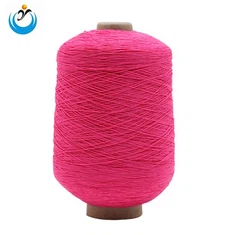

Stretchy Yarn For Crochet
Description
Technical Parameters
Products Description
Stretchy yarn for crochet is a specialized type of yarn designed to provide elasticity and flexibility to crochet projects. Unlike traditional yarn, stretchy yarn contains spandex or elastic fibers that allow the finished crochet items to stretch and return to their original shape, making them ideal for garments, accessories, and items that require a snug fit.
The spandex or elastic fibers in stretchy yarn give it a unique stretch and bounce, making it easier to work with and resulting in projects that move and stretch with the body. This characteristic is particularly beneficial for creating items like socks, gloves, sportswear, and headbands. Additionally, the elasticity of the yarn helps prevent sagging or bagging in the finished product, ensuring a more comfortable and long-lasting fit.
Crocheting with stretchy yarn requires some adjustments in tension and stitch choice to accommodate the yarn's stretchiness. Typically, using a slightly tighter tension and selecting appropriate stitch patterns can help maintain the shape and structure of the project while still allowing for the desired stretch.
Overall, stretchy yarn enhances the versatility and comfort of crochet projects, providing a wide range of possibilities for creating form-fitting and comfortable wearables. Whether for athleisure or everyday apparel, stretchy yarn adds a functional and stylish dimension to crochet crafting.


Partial Product Color Display

Cotton elastic yarn is a type of textile material that combines the natural properties of cotton with the stretch and recovery of elastane or spandex. It is made by spinning together cotton fibers and synthetic fibers, typically with a ratio of 95% cotton and 5% elastane or spandex. This blend creates a yarn that is soft, comfortable, and breathable, while also providing a degree of stretchiness that allows it to conform to the body.

Elasticated yarn is a type of yarn that is highly sought after for its many unique features and benefits. This type of yarn is made by combining natural and synthetic fibers, such as cotton, wool, and spandex, to create a material that is stretchy, comfortable, and durable. Elasticated yarn has many selling points, competitive advantages, and user demographics that make it a popular choice among knitters and other fiber artists.

Elastic sock yarn is a type of yarn that is specifically designed for making socks. It is a combination of natural and synthetic fibers, such as cotton, wool, and spandex, which work together to create a stretchy and durable material that is perfect for creating comfortable and long-lasting socks. This type of yarn has many unique features and benefits that make it ideal for a wide range of applications.

Rubber covered yarn is a type of specialized yarn that consists of a core made of elastic material (typically spandex or latex) that is coated or wrapped in a layer of rubber or synthetic rubber. This combination of materials creates a unique set of properties that make it suitable for a variety of applications.

Latex rubber yarn is a type of specialized yarn that is made from a core of natural or synthetic latex rubber, which is then covered in a layer of thread. This type of yarn is known for its high quality and unique properties, which make it ideal for a variety of applications.

Rubber yarn, also known as elastic yarn, is a specialized type of yarn that incorporates rubber or elastomeric fibers during the manufacturing process. These elastic fibers, often made of materials like spandex or latex, give the yarn its stretchability and elasticity properties.
In the past, elastic yarns represented by spandex were mainly used to produce pantyhose, patchwork underwear and swimwear. However, in recent years, they have gradually opening up new application areas, it quickly penetrated into outerwear production. Starting in 1989, its elastic yarn production capacity continued to expand.
It reached a climax last year. Japan's output reached 12,000 tons last year, an increase of 1.5 times compared with 10 years ago. The number of manufacturers expanded from 6 to 9. South Korea, Singapore and China also added spandex production equipment. Elastic yarn is currently widely used in the production of sportswear and outerwear fabrics represented by casual wear. Whether it is weft-knitted or warp-knitted knitted or woven products, the momentum of developing new products is very active.
Products Application
The Role of Elastic Yarn in Sportswear:
Elastic yarn is extensively utilized in sportswear to optimize performance and comfort. It is integrated into various sportswear components like waistbands, cuffs, and apparel body to provide stretchability and shape retention. The stretch offered by elastic yarn allows sportswear to conform to body movements without restricting mobility, enhancing the wearer's agility and flexibility during exercise or sports activities. Additionally, it helps in achieving a snug fit and assists in moisture-wicking, critical for keeping the body dry and cool during intense workouts. Whether in activewear, fitness leggings, sports bras, or athletic tops, elastic yarn plays a pivotal role in ensuring that sportswear provides the necessary support, freedom of movement, and overall functionality that athletes and fitness enthusiasts require for their workouts.

Enhancing Fit and Functionality in Sock Manufacturing:
Elastic yarn is an essential component in the manufacturing of socks, contributing to their stretchability and snug fit. It is often incorporated in the cuffs, tops, and other areas of the sock to ensure that the sock remains in place and doesn't sag. The stretch provided by elastic yarn allows the sock to adapt to different foot sizes and shapes, providing a comfortable and secure fit. Moreover, this elasticity helps in preventing slippage and bunching during physical activities or daily wear. Socks with elastic yarn also offer gentle compression, which can aid in blood circulation and reduce fatigue. Whether it's athletic socks, everyday socks, or specialized socks, the use of elastic yarn enhances the overall functionality and wearability of the sock, making it an integral part of sock production.

Our Factory advantages
Our company ,YANGLONG TEXTILE CO.,LTD,was established in 2008 and was rated as a technology enterprise in 2009. The factory is located in the "sock capital" city - Zhuji, Tang Dynasty, Zhejiang. We mainly produce: imitation nylon yarn (fake nylon yarn), polyester high-elastic yarn, reflective yarn, luminous yarn, reflective yarn, spandex covered yarn, and elastic yarn. Our products have the characteristics of high elasticity, environmentally friendly dyeing, strong elasticity, and bright colors.Contact us now


FAQ:
1. What is stretchy yarn for crochet and how does it differ from regular yarn?
Stretchy yarn for crochet contains spandex or elastic fibers, providing elasticity for a stretchy finished product. This sets it apart from regular yarn that lacks this stretchy quality.
2. What types of projects are best suited for stretchy yarn in crochet?
Stretchy yarn is excellent for projects like socks, gloves, headbands, and sportswear, where elasticity and a snug fit are desired.
3. How does the presence of spandex or elastic fibers affect the properties of the stretchy yarn?
Spandex or elastic fibers in stretchy yarn allow it to stretch and bounce back to its original shape, providing flexibility and improved form-fitting characteristics.
4. Are there any considerations or adjustments needed when crocheting with stretchy yarn?
Crocheting with stretchy yarn requires a slightly tighter tension and appropriate stitch selection to ensure the project maintains its shape while accommodating the yarn's stretch.
5. What are the advantages of using stretchy yarn for crochet over traditional yarn?
Stretchy yarn offers better movement and adaptability, preventing sagging or bagging in the finished product, making it ideal for wearable items.
6. Is there a recommended stitch pattern for maximizing the stretchiness of the yarn?
Choosing stitch patterns that allow for more stretch, like the single crochet or ribbing stitches, can maximize the stretchiness of the yarn.
7. Can you blend stretchy yarn with other types of yarn for specific crochet projects?
Yes, blending stretchy yarn with other yarn types can create unique textures and enhance the stretchiness or structure of the final crochet project.
8. Does the color or texture of stretchy yarn affect its stretchability?
Color and texture do not significantly impact the stretchiness of the yarn; it's primarily determined by the spandex or elastic content in the yarn.
9. What are common brands or manufacturers known for producing high-quality stretchy yarn for crochet?
Some popular brands known for their stretchy yarn include Lion Brand, Red Heart, and Premier Yarns, among others.
10. Is stretchy yarn suitable for making items for babies or young children?
Stretchy yarn can be used for baby items, but caution should be taken to ensure it's not too tight to avoid discomfort or restriction.
11.Can you use stretchy yarn to create non-wearable crochet items?
Yes, stretchy yarn can also be used for non-wearable items like bags, pillow covers, and other home decor items.
12. Does the weight or thickness of the stretchy yarn affect its stretchiness?
Thicker stretchy yarns may have a slightly reduced stretch compared to finer ones, but the overall stretchiness is still maintained.
13. How does the cost of stretchy yarn compare to regular yarn?
Stretchy yarn is generally slightly more expensive due to the added spandex or elastic fibers, making it a bit costlier than traditional yarn.
14. Can you combine stretchy yarn with crochet techniques like Tunisian crochet?
Yes, you can use stretchy yarn with Tunisian crochet, adapting the technique to make the most of the yarn's stretch and elasticity.
15. Is stretchy yarn suitable for crochet projects with intricate or detailed patterns?
Stretchy yarn can be used for intricate patterns, but simpler stitch patterns may showcase its stretchiness more effectively.
16. Are there any specific washing or care instructions for items made with stretchy yarn?
Generally, items made with stretchy yarn should be hand-washed or machine-washed on a gentle cycle to maintain their stretch and shape.
17. Can stretchy yarn lose its elasticity over time or with frequent use?
While it's possible for stretchy yarn to lose some elasticity over extended use, proper care can help prolong its stretchiness.
18. Can you use stretchy yarn for creating lace or openwork crochet designs?
Yes, stretchy yarn can be used to create lace or openwork designs, adding a unique stretchy aspect to delicate crochet projects.
19. Are there any limitations to using stretchy yarn for crochet projects?
Stretchy yarn may not be suitable for projects where a structured, non-stretchy fabric is desired, or for items that require significant durability.
20. Is stretchy yarn available in a variety of colors and textures to suit different crochet designs?
Yes, stretchy yarn comes in a wide range of colors and textures, allowing for creativity and versatility in crochet projects.
Hot Tags: stretchy yarn for crochet, China stretchy yarn for crochet manufacturers, suppliers, factory
Previous
Elastic Wool YarnSend Inquiry