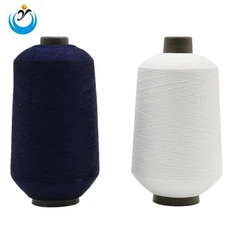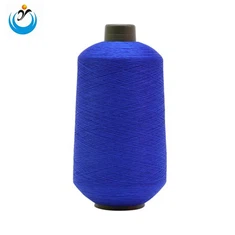
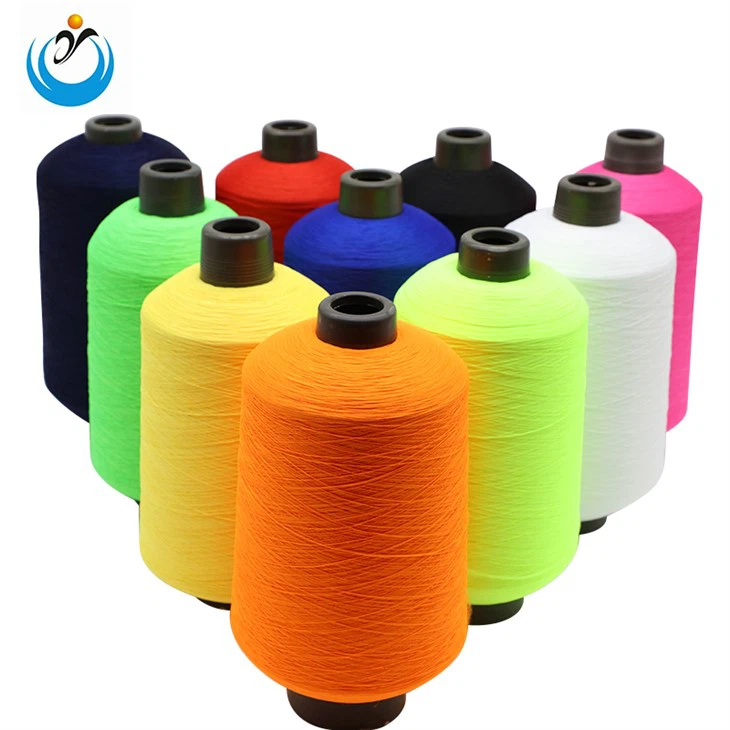
Multi Color Nylon Yarn
Description
Technical Parameters
Multi Color Nylon Yarn
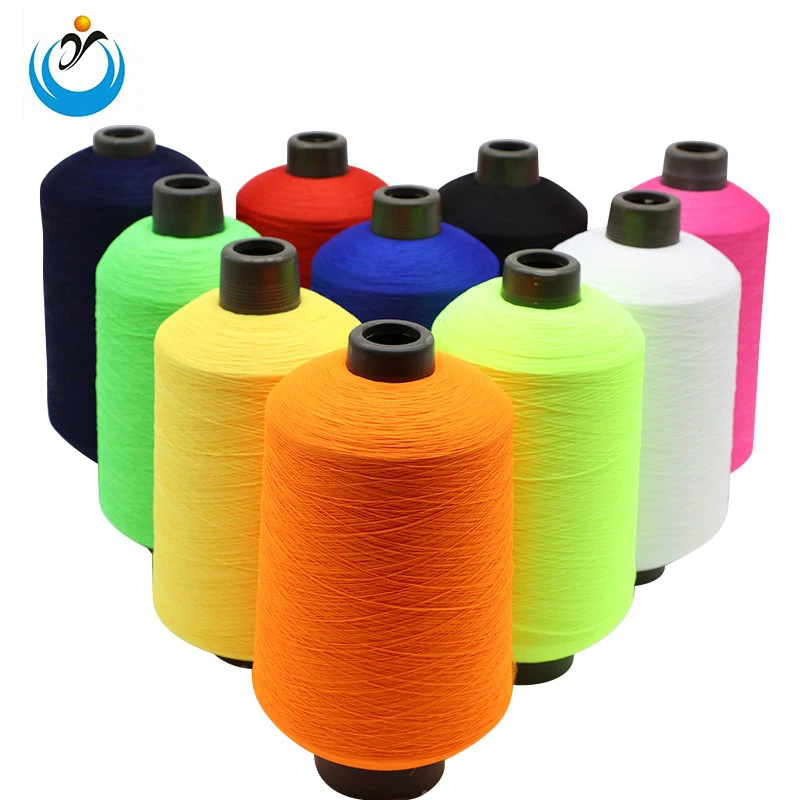
Rich color selection:With its unique color combination, colorful nylon yarn provides a wide range of creative space for various textile designs. By mixing or alternately weaving nylon fibers of different colors, this yarn can present a rich variety of color effects, such as gradient colors, stripes, spots, etc. This design not only increases the visual layering of the fabric, but also gives it a unique artistry and appeal. For example, the gradient effect can create a color transition from light to dark, giving the fabric a flowing visual experience; the stripe effect can increase the beauty of the fabric's lines, adding a sense of movement and structure to fashion designs. Colorful nylon yarn can meet the diverse needs for color and pattern in the fields of clothing, home textiles, handicrafts, etc., thereby enhancing the market competitiveness and visual appeal of the product. Whether it is used for lively sportswear, fashionable scarves, or unique home decoration, the rich color combination of this yarn can effectively enhance the visual effect and beauty of the fabric.
Excellent wear resistance:Nylon fiber itself has excellent wear resistance, which makes colorful nylon yarn particularly outstanding in durability. Its core material, nylon, is specially treated to withstand the friction, pulling and squeezing of daily use without being easily damaged or worn. This wear resistance is particularly suitable for products that require high durability, such as carpets, work clothes and outdoor equipment. For example, the use of colorful nylon yarn in carpets can ensure that its appearance and performance are maintained in high-traffic areas, avoiding wear and tear due to frequent use. Work clothes and outdoor equipment need to withstand harsh working environments and climatic conditions. The durability of nylon yarn ensures that these products can be used for a long time and maintain stable performance during use. The wear resistance of this yarn not only extends the service life of the product, but also reduces the need for frequent replacement and maintenance, improving the overall economy and practicality of use.
Excellent elasticity and recovery:The elasticity and recovery of colorful nylon yarns come from their curled or woven design, which can quickly return to their original shape when stretched. This feature makes this yarn particularly suitable for making clothing that requires a high degree of fit and comfort, such as sportswear, yoga pants and tights. The elasticity of the yarn ensures that the garment can maintain its shape during intense exercise or daily activities, and will not deform or loosen due to stretching or movement. For example, sportswear needs to provide support and comfort during intense exercise. The excellent elasticity of colorful nylon yarn ensures that the garment can fit closely to the body without restricting freedom of movement. Yoga pants and tights also rely on this elasticity to provide support and comfort, allowing users to move freely without feeling restrained. In addition, elasticity and recovery also have a positive impact on the durability of textiles, reducing the problem of shape deformation caused by long-term use.
Good dyeing performance:Although colorful nylon yarn has been integrated with a variety of colors, its dyeing performance is still very strong. The excellent dyeing property of nylon fiber enables the yarn to evenly absorb various dyes, ensuring that the final color is bright and long-lasting. This means that whether it is the initial design of the color during the production process or the subsequent color matching needs, the yarn can maintain a stable color performance. For products that require personalized color design, such as fashion clothing and decorative fabrics, good dyeing performance can ensure color consistency and long-term retention. Even after repeated washing and use, the color will not fade easily, maintaining the visual effect and beauty of the fabric. This dyeing stability provides greater flexibility in the design of textiles, meeting high standards of market demands and consumer expectations.
Material composition of multi color nylon yarn

Nylon (Polyamide)
The core material of colorful nylon yarn is polyamide, usually nylon 6 or nylon 66. These synthetic fibers are manufactured through different chemical processes. Nylon 6 is produced by the ring-opening polymerization of caprolactam, which produces fibers with high strength and elasticity. Nylon 66 is synthesized by the condensation reaction of adipic acid and hexamethylenediamine, which has relatively higher strength and heat resistance. The basic characteristics of both nylon 6 and nylon 66 are excellent strength, abrasion resistance, elasticity and corrosion resistance. Nylon fibers are able to maintain stable performance in a variety of environmental conditions, including high-strength and high-durability applications. The superior properties of this material make the yarn suitable for a variety of needs, including durable industrial products and comfortable daily clothing. The high strength and elasticity of nylon fibers give the fabric good durability and shape retention, while the corrosion resistance ensures its long-term stability in humid or chemical environments.
Color Mixing
To achieve the colorful effect, nylon yarns are produced using advanced multi-color textile technology. The first is color spinning, a process that is achieved by mixing fibers of different colors at the spinning stage. Fibers of different colors are evenly mixed during the spinning process, so that the final yarn shows a gradient or mixed color effect. This technology can create rich color levels and transition effects, which is suitable for products that require colorful designs, such as fashion clothing and decorative fabrics. The second is segmented dyeing technology, which dyes in stages during the yarn production process. The yarn is dyed with different colors at different processing stages to form stripes, spots or other patterns. This technology can achieve a more visually impactful colorful effect, making the final product more varied and unique in color, and is suitable for fabrics that require complex patterns and colors. Through these technologies, colorful nylon yarns not only show a variety of visual effects, but also maintain all the excellent properties of nylon fibers.
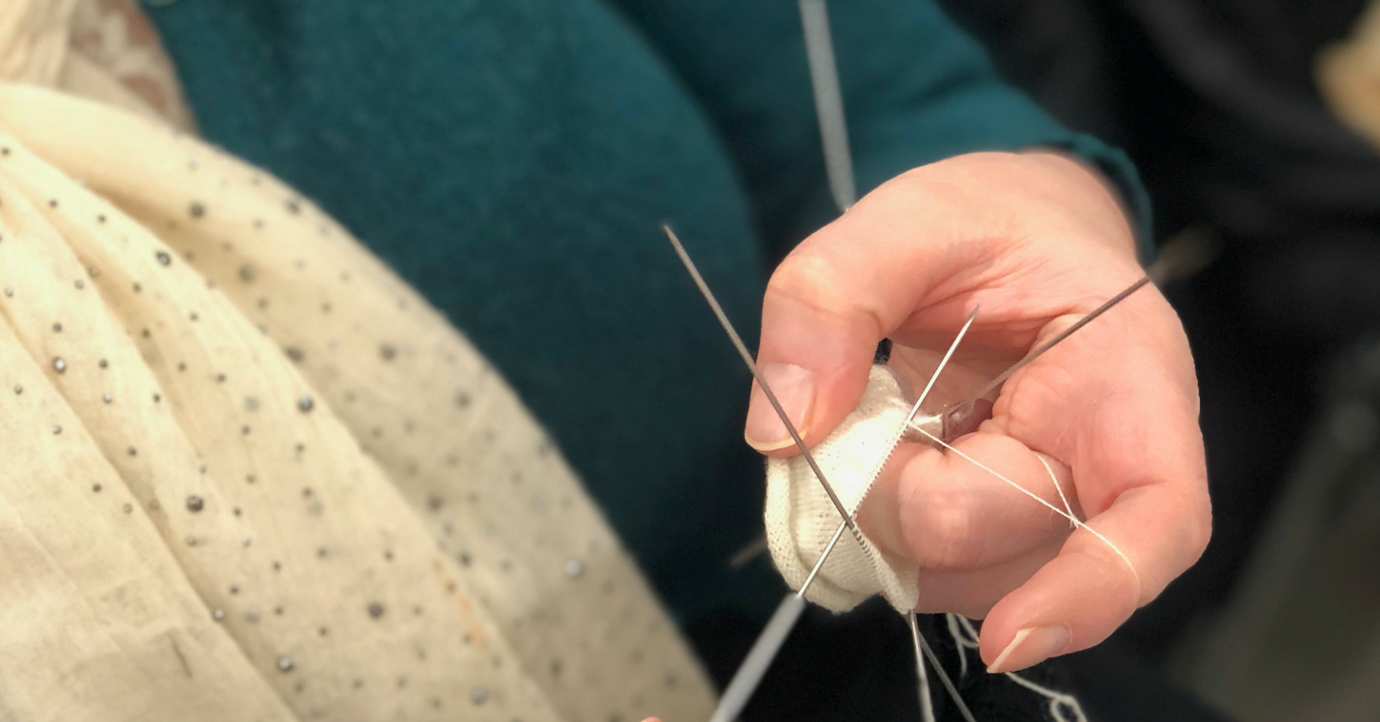
Application of this product in the field of Knitting
![Two-pass Knitting for Multi-color Stranded Colorwork [Tutorial] :: talvi knits.](https://i.ytimg.com/vi/F8eew2bLe7c/maxresdefault.jpg "product-1-1")
Create visual appeal:
Colorful nylon yarn provides unique visual hierarchy and artistic sense to woven products due to its rich color mixing effect. During the weaving process, the yarn can display various patterns such as gradients, stripes or spots, giving the fabric an eye-catching appearance. For example, when knitting a sweater, using colorful yarns can create dynamic color transitions and give the finished product a smooth visual effect. This gradient effect not only enhances the beauty of the fabric, but also gives the product a unique and personalized style. When applied to fashion clothing, colorful nylon yarn can achieve a color transition from soft to bright to meet the needs of different design styles; while in the design of traditional patterns, its color changes can increase the layering of the pattern and make the fabric more layered. More artistic. This variety of visual effects makes colorful nylon yarns popular in clothing, home decoration and other fabric products, providing designers with more creative space.
Enhanced fabric design flexibility:
Using colorful nylon yarns in the weaving process can significantly increase the flexibility of fabric design. Taking advantage of the multi-color properties of this yarn, designers are able to achieve complex patterns and color effects during the weaving process without having to rely on post-dying or pattern printing. For example, when weaving carpets, the natural color changes of colorful yarns can directly form unique patterns, which reduces the need for later color adjustments and simplifies the production process. This design flexibility not only allows designers to express their creativity freely, but also meets consumer demands for personalization and customization. Using colorful nylon yarns, designers are able to achieve multiple visual effects in a single fabric, such as stripes, spots or mixed colors, giving each product a unique style and appeal. In addition, this flexibility supports consistency and efficiency in mass production, ensuring that every fabric product meets high standards in design and functionality.
Maybe you still want to know
1. What is the main material of this yarn?
The main material of this yarn is synthetic fiber, usually made of polyamide. Polyamide fibers have excellent strength, elasticity and wear resistance. The fibers formed by polymerization during the production process provide a durable and flexible foundation, allowing this yarn to withstand the various stresses of daily use while maintaining the appearance and performance of the fabric.
2. How is the color effect of this yarn achieved?
The colorful effect of this yarn is usually achieved through two main technologies: color spinning and segmented dyeing. Color spinning is the mixing and spinning of fibers of different colors, so that the final yarn has a gradient or mixed color effect. Segmented dyeing is the gradual dyeing of yarns with different colors during the yarn production process, forming stripes, spots or other patterns. These two methods make the yarn show rich visual effects during the weaving or weaving process.
3. How durable is this yarn?
Because of the use of polyamide materials, this yarn has excellent wear resistance and durability. It can withstand the friction, pulling and squeezing in daily use without being easily worn or damaged. This makes it particularly suitable for products that require high strength and durability, such as sportswear, carpets and outdoor equipment. Its excellent durability also reduces the frequency of maintenance and replacement of products, improving the overall economic use.
4. How does this yarn perform in terms of comfort?
This yarn also performs well in terms of comfort. Due to its good elasticity and softness, the woven fabric feels soft to the touch and is very comfortable to wear or use. Especially when making close-fitting clothing such as underwear, socks or household items, the comfort of the yarn can significantly improve the user experience. In addition, its crimping treatment increases the fluffiness of the fabric, further improving the comfort.
5. What are the advantages of this yarn during the weaving process?
During the weaving process, the main advantages of this yarn include its good elasticity and stable color effects. The elasticity of the yarn makes the woven fabric have excellent shape retention ability, which is suitable for clothing that requires high elasticity and fit. In addition, the colorful color effects can be naturally integrated into the fabric during weaving, reducing the complexity of post-processing. The stability of the yarn during the weaving process also ensures the uniformity and consistency of the fabric.
6. Has the yarn been specially treated to enhance its functionality?
Yes, the yarn is usually specially treated to enhance its functionality. For example, UV inhibitors, antimicrobial agents, or water repellents may be added to improve the performance of the yarn in a specific environment. UV inhibitors can improve the durability of the yarn under sunlight, making it suitable for outdoor products; antimicrobial treatments help keep the fabric fresh and reduce odor; water repellent treatments can enhance the performance of the yarn in wet environments, making it suitable for waterproof clothing or equipment.
7. How environmentally friendly is the yarn?
Many manufacturers are working to improve the environmental friendliness of the yarn. Some yarns are made from recycled materials to reduce the demand for raw materials and the impact on the environment. In addition, energy-saving and emission-reduction measures may also be taken during the production process to reduce the negative impact of production on the environment. Using environmentally friendly materials and processes can help reduce the overall carbon footprint and meet the requirements of the modern market for sustainable development. When choosing, buyers can ask whether the manufacturer uses environmentally friendly materials and green production processes to ensure that the product meets environmental standards.
Hot Tags: multi color nylon yarn, China multi color nylon yarn manufacturers, suppliers, factory
Previous
Green Nylon YarnNext
Coverd Nylon YarnSend Inquiry