


Nylon 66 yarn
Description
Technical Parameters
Products Description
Durability:Nylon 66 is renowned for its durability, a property that significantly contributes to its broad range of applications. This durability stems from the polymer's strong molecular structure, which is created through the condensation reaction of hexamethylenediamine and adipic acid. The resulting polymer chains are long and strong, providing exceptional tensile strength.
This characteristic makes Nylon 66 ideal for applications requiring resistance to physical stress and strain. For example, in the textile industry, Nylon 66 is used to manufacture durable clothing items such as workwear and outdoor gear. These garments are subjected to rigorous conditions, including abrasion and repeated wear, and Nylon 66 ensures that they remain intact over time. In industrial applications, Nylon 66 is employed in products like ropes, nets, and conveyor belts. The strength of the yarn ensures that these items can handle heavy loads and harsh conditions without breaking down, thereby reducing the need for frequent replacements and maintenance.
Abrasion Resistance:Abrasion resistance is a key property of Nylon 66 that enhances its utility across various sectors. The yarn's ability to resist abrasion means it can endure friction and repeated rubbing without significant damage. This is particularly important in applications where the material comes into constant contact with surfaces that could cause wear and tear.
In textiles, this means that Nylon 66 is an excellent choice for products like carpets and upholstery. Carpets made from Nylon 66 are highly resistant to the effects of foot traffic and furniture placement, maintaining their appearance and functionality over time. Similarly, upholstery fabrics made from Nylon 66 can withstand everyday use in homes, offices, and public spaces without showing signs of wear. The same property is crucial in industrial contexts, such as in the production of durable outdoor equipment like tarps and tent fabrics, where resistance to abrasion ensures longevity and reliability.
Elasticity:Elasticity is another significant advantage of this yarn. The material's ability to stretch and return to its original shape is a result of its molecular structure, which allows the fibers to flex and bend without permanent deformation. This property is particularly valuable in applications where flexibility and comfort are essential.
In the apparel industry, Nylon 66's elasticity contributes to the fit and comfort of clothing items such as activewear, swimwear, and hosiery. For instance, in sportswear, the stretchiness of Nylon 66 allows garments to conform to the body's movements, providing comfort and support during physical activities. Similarly, in swimwear, the elasticity helps the fabric to stretch around the body and recover its shape after being stretched, ensuring a snug fit and durability in chlorinated water.
Chemical Resistance:Chemical resistance is a noteworthy feature of Nylon 66, making it suitable for environments where exposure to various chemicals is a concern. The polymer's structure is resistant to degradation by many substances, including oils, solvents, and acids. This resistance expands the yarn's applicability beyond traditional textile uses.
In industrial settings, Nylon 66 is often used in the manufacture of components that come into contact with chemicals. For example, in the automotive industry, components like fuel lines, seals, and gaskets benefit from Nylon 66's resistance to automotive fluids and oils. In the chemical processing industry, equipment made from Nylon 66 can withstand exposure to corrosive substances, enhancing the material's lifespan and performance.
Products Description

Polymer Composition
Nylon 66 is synthesized from two primary monomers: hexamethylenediamine and adipic acid. Hexamethylenediamine is a diamine featuring a six-carbon chain, while adipic acid is a dicarboxylic acid also with a six-carbon chain. These two monomers undergo a condensation polymerization reaction, where they react to form Nylon 66 through a series of amide linkages. In this process, each molecule of hexamethylenediamine reacts with one molecule of adipic acid, releasing water and forming a polymer chain. The result is Nylon 66, a polymer characterized by long chains of repeating amide units, which endows it with exceptional strength, durability, and stability.
Molecular composition
The molecular structure of nylon 66 is determined by repeating amide groups (–CONH–) in the polymer chain, which is essential for its high tensile strength and stiffness. These amide bonds form a strong framework that gives the material excellent durability. The polymer chains in nylon 66 are linear and tightly packed, which enhances their crystallinity. This crystalline arrangement provides the yarn with significant strength and resistance to deformation. The regular arrangement of the polymer chains promotes strong intermolecular forces, resulting in excellent mechanical properties. This structured chain arrangement ensures the overall stability and performance of the yarn under a variety of conditions.

Products Application
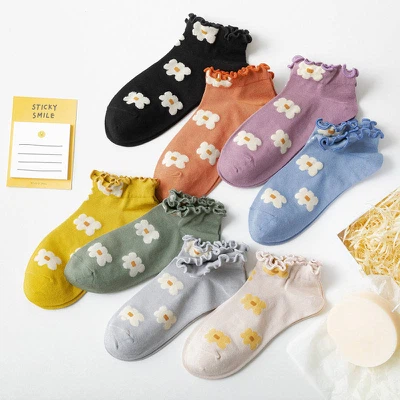
Apparel
Stockings and Hosiery: Nylon 66 is a popular choice for making stockings and hosiery due to its remarkable durability and elasticity. The yarn's high tensile strength ensures that these garments can withstand regular wear and tear without easily developing runs or tears. Additionally, the elasticity of Nylon 66 allows stockings and hosiery to fit snugly and comfortably around the legs, providing a smooth, supportive feel. Its ability to retain shape means that the garments do not sag or lose their form over time, which is essential for maintaining a polished appearance.
Activewear: In the realm of activewear, Nylon 66 excels due to its combination of strength, elasticity, and moisture-wicking properties. Athletic garments such as leggings, sports bras, and running shirts benefit from Nylon 66's ability to stretch and recover, allowing for a full range of motion during physical activities. The yarn's durability ensures that the activewear can endure the rigors of intense exercise and frequent washing without degrading. Additionally, Nylon 66 can be engineered to offer moisture management, pulling sweat away from the skin and enhancing comfort during workouts.
Outerwear: For outerwear, including jackets, coats, and windbreakers, Nylon 66 provides essential benefits. Its high abrasion resistance ensures that these garments can endure harsh weather conditions and frequent use without significant wear. The yarn's strength makes it suitable for garments that need to withstand exposure to wind, rain, and other environmental factors. Furthermore, Nylon 66's lightweight nature allows for the creation of outerwear that provides warmth and protection without adding excessive bulk.
Home Furnishings
Carpets: In the carpet industry, Nylon 66 is favored for its ability to maintain its appearance and performance under heavy foot traffic. The yarn's strength and abrasion resistance mean that carpets retain their texture and color longer, even in high-traffic areas such as hallways and living rooms. Additionally, Nylon 66 carpets are easier to clean and maintain, as the yarn's resistance to staining and dirt allows for more effective cleaning and less frequent replacement.
Upholstery: Nylon 66 is commonly used in upholstery fabrics for furniture due to its durability and resilience. Upholstery made from Nylon 66 can withstand the rigors of daily use, including the friction and pressure from sitting and movement. The yarn's resistance to wear and tear ensures that the furniture remains looking new and functional for a longer period. Moreover, Nylon 66 upholstery fabrics are resistant to fading and can maintain their color vibrancy even with exposure to sunlight and frequent use.
Other Home Textiles: Beyond carpets and upholstery, Nylon 66 is used in a variety of other home textiles, such as drapes, cushions, and bedding. The yarn's durability ensures that these items withstand regular use and washing, while its ease of maintenance simplifies the care routine. The versatility of Nylon 66 allows it to be incorporated into various fabric types and designs, making it a practical choice for a range of home furnishing applications.

FAQ:
1. What is this yarn made of?
This yarn is made from a polymer called nylon 66, which is produced by a chemical reaction between two monomers, hexamethylenediamine and adipic acid. These monomers undergo a condensation polymerization process that reacts through a series of amide bonds to form long chains of nylon 66. This polymerization process produces a high-performance material with a linear, tightly packed structure that gives the yarn its exceptional strength and durability. The yarn is produced by melting nylon 66 pellets and then extruding the molten polymer through a spinneret to form fibers, which are then stretched and spun into yarn.
2. What are the main benefits of using this yarn in apparel?
This yarn offers several benefits in apparel applications. Its high tensile strength ensures that garments are durable and resistant to abrasion, making it ideal for high-use items such as sportswear and outerwear. The yarn's elasticity provides excellent stretch and recovery, making garments comfortable and form-fitting. Additionally, the abrasion resistance of nylon 66 means that garments can retain their appearance for longer, while its moisture-wicking properties help control sweat and keep the wearer dry during physical activity. The durability of the yarn also means that garments can withstand frequent washings and retain their shape and performance.
3. How does this yarn compare to other synthetic fibers like polyester or spandex?
Nylon 66 has distinct advantages over other synthetic fibers like polyester and spandex. While polyester is known for its wrinkle resistance and quick-drying properties, nylon 66 is superior in terms of tensile strength and abrasion resistance. This makes nylon 66 more suitable for applications where durability is critical, such as high-wear apparel and industrial uses. On the other hand, spandex is known for its extreme elasticity, but it can't match nylon 66 in terms of strength and abrasion resistance. With its combination of strength and elasticity, nylon 66 is a versatile choice for a variety of applications that require durability and performance.
4. Can this yarn be used in household items such as carpets and upholstery?
Yes, this yarn is ideal for home furnishings such as carpets and upholstery. Its durability and abrasion resistance ensure that these textiles can withstand heavy foot traffic and regular use without showing noticeable wear and tear. For carpets, nylon 66 is able to maintain its appearance and resist stains, which means it stays fresh and clean longer. In upholstery, the yarn's strength helps it resist wear and damage, ensuring that furniture stays in good condition. Additionally, nylon 66 is relatively easy to clean, which is a valuable trait for maintaining home furnishings.
5. Is this yarn resistant to chemicals and environmental conditions?
This yarn has good resistance to a wide range of chemicals, including oils, solvents, and certain acids, making it suitable for industrial and professional applications where exposure to these substances is a concern. It also has moderate resistance to environmental conditions, such as UV rays and moisture. While it is not completely immune to degradation caused by prolonged exposure to harsh chemicals or extreme environmental conditions, nylon 66 performs well in many situations and has better resistance than some other synthetic fibers.
6. How should this yarn be cared for to ensure its longevity?
To ensure the longevity of this yarn product, proper care is essential. For garments, it is recommended to follow the care instructions on the label, which typically recommend washing in cold or warm water with a mild detergent. Avoid using bleach or harsh chemicals that may damage the fibers. Drying should be done according to the manufacturer's instructions, typically air drying rather than using high temperatures, which can affect the elasticity and strength of the yarn. For home textiles such as carpets and upholstery, regular vacuuming and spot cleaning can help maintain appearance and durability. For deep cleaning, it is recommended to use a professional service experienced with nylon 66 textiles.
Hot Tags: Nylon 66 yarn, China Nylon 66 yarn manufacturers, suppliers, factory
Previous
Green Nylon YarnNext
Coverd Nylon YarnSend Inquiry


