

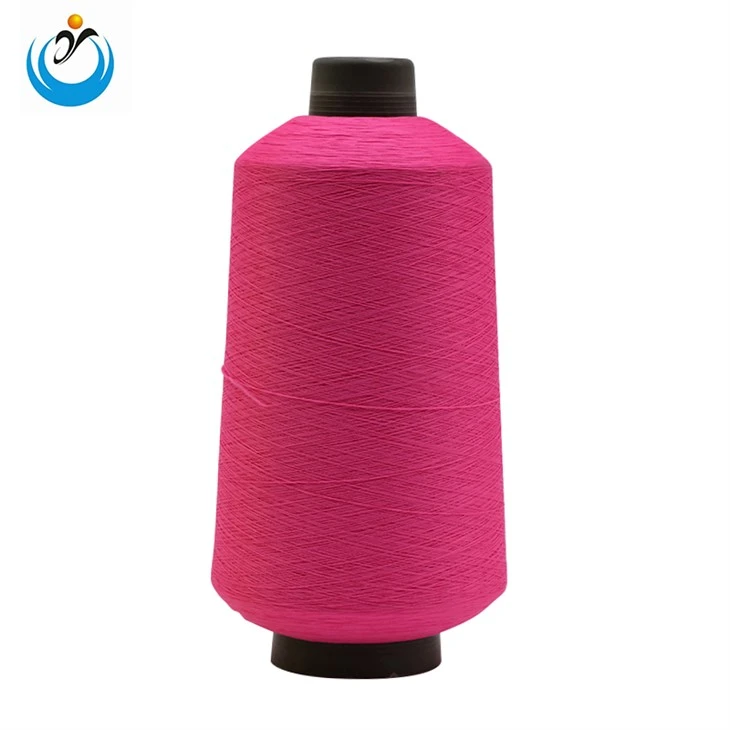
Nylon Industrial Yarn
Description
Technical Parameters
Nylon Industrial Yarn
1. Excellent strength and durability
This yarn stands out in the industrial field for its excellent strength and durability. It has extremely high tensile strength and can withstand huge loads without breaking easily. This high strength property makes it widely used in scenarios that need to withstand high strength and high pressure. For example, in the manufacture of safety belts and cables, this fiber can provide the necessary strength to ensure that the structure remains intact when subjected to weight and pressure. It is also commonly used in the production of durable industrial fabrics, such as protective cloth and work clothes, which need to withstand harsh conditions of use. Its durability can effectively reduce wear and tear, significantly extend the service life of the product, thereby reducing the frequency of maintenance and replacement, and improving overall economy.
2. Excellent wear resistance
The excellent wear resistance of this yarn makes it perform well in many applications that need to resist friction and extrusion. Its fiber structure is designed to withstand long-term physical wear and tear, and is not prone to breakage or loss of function. This wear-resistant property is particularly important in fields such as floor protection materials, industrial carpets and protective nets. In floor protection materials, wear-resistant fibers can withstand continuous friction and heavy pressure to maintain the integrity and safety of the floor. In industrial carpets, the wear resistance allows the carpet to withstand frequent trampling and mechanical wear, thus maintaining its beauty and functionality. In protective netting applications, this wear resistance ensures that the netting will not fail in long-term use, providing reliable protection.
3. Chemical resistance
This fiber has excellent chemical resistance and can resist the erosion of a variety of chemicals, including oils, solvents, acids and alkalis. This property makes it particularly good in chemical handling and storage facilities. Conveyor belts made with this chemically resistant fiber can safely handle and transport chemicals without losing strength or structural damage due to chemical corrosion. Similarly, in the manufacture of protective clothing, the chemical resistance of this fiber can protect workers from direct contact with chemicals and improve work safety. This feature also makes it widely used in chemical laboratories and industrial cleaning fields, ensuring the safety of equipment and personnel.
4. Lightweight design
Despite its high strength, the lightweight design of this yarn gives it an important advantage in many applications that require load reduction. Its lightweight characteristics make it widely used in aerospace, automotive interiors and high-performance sports equipment. In the aerospace field, this lightweight fiber can be used to produce lightweight aircraft parts, thereby reducing the overall weight of the aircraft and improving fuel efficiency. In automotive interiors, lightweight materials can reduce the total weight of the vehicle, improve handling performance and fuel economy. In addition, in sports equipment, lightweight fibers can provide a comfortable wearing experience without adding extra burden, suitable for high-performance sportswear and accessories.
5. Good elasticity and flexibility
The good elasticity and flexibility of this yarn enable it to adapt to many different shapes and movement needs. The elasticity of this fiber ensures that it can return to its original shape when stressed without permanent deformation. Its flexibility enables it to bend, stretch and adapt to various application scenarios. This feature is particularly important in elastic fabrics and flexible components. For example, in industrial elastic bands, this fiber can provide the required elasticity and support without losing comfort and functionality. In sportswear, good elasticity and flexibility can provide better freedom of movement and comfort, allowing athletes to move freely without feeling restrained. These properties make it an ideal material for designing fabrics and products that require comfort and flexibility.
Material characteristics of this product
Polymer
The core material of this yarn is polyamide polymer. This polymer forms long-chain molecules through polymerization reaction, which gives the fiber excellent strength and durability. Common types of nylon include nylon 6 and nylon 66, each of which has different molecular structures and performance characteristics. The polymerization process of nylon 6 involves the ring-opening polymerization of cyclohexane lactam, while nylon 66 is formed by the condensation reaction of hexamethylenediamine and adipic acid. Whether it is nylon 6 or nylon 66, these polymers give the fiber excellent mechanical strength and wear resistance.
Fiber structure
The fiber structure of this yarn can be monofilament or multifilament. Monofilament structure is usually used in applications that require higher strength and rigidity, while multifilament structure provides higher flexibility and elasticity by bundling multiple fibers together. This multifilament structure allows this yarn to provide the desired performance characteristics such as wear resistance, elasticity and strength in different applications.

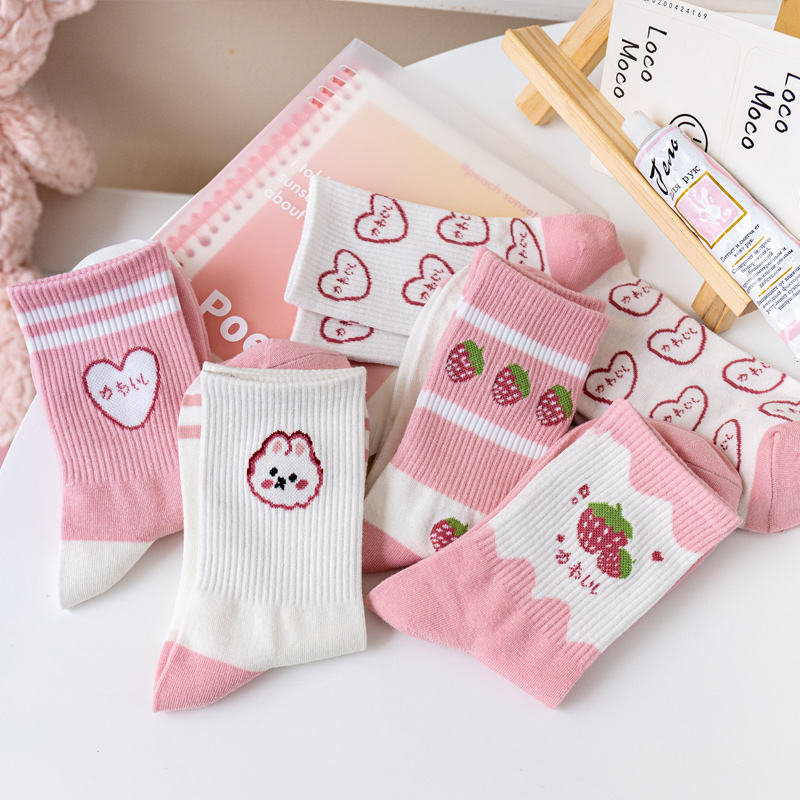
Advantages of this product in socks
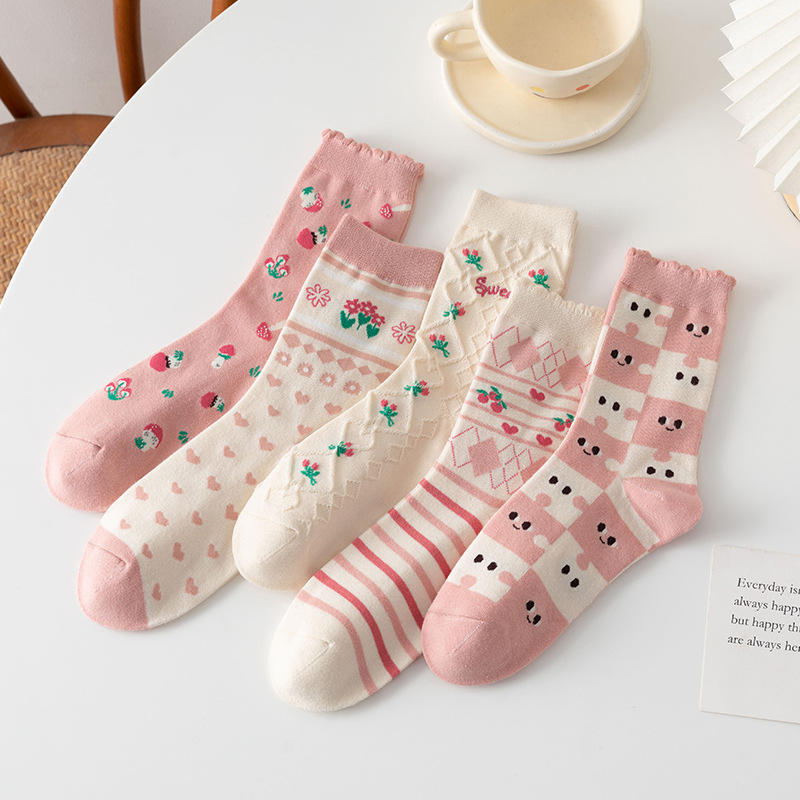
Strong abrasion resistance: Nylon fibers have excellent abrasion resistance, which means that socks are less likely to wear or break during wear. This is especially important for socks in high-activity occasions or work environments.
Good elasticity: Nylon fibers have good elasticity and recovery, allowing socks to maintain their shape and avoid deformation or sagging. They are more comfortable to wear and can better fit the feet.
High durability: Nylon's durability allows socks to maintain their good appearance and function after long-term use, reducing the need for frequent sock replacement, thereby providing better economic value.
Moisture wicking: Although nylon itself is not particularly hygroscopic, it can be mixed with other fibers (such as cotton or polyester) to enhance the sweat wicking and drying properties of socks, helping to keep feet dry and comfortable.
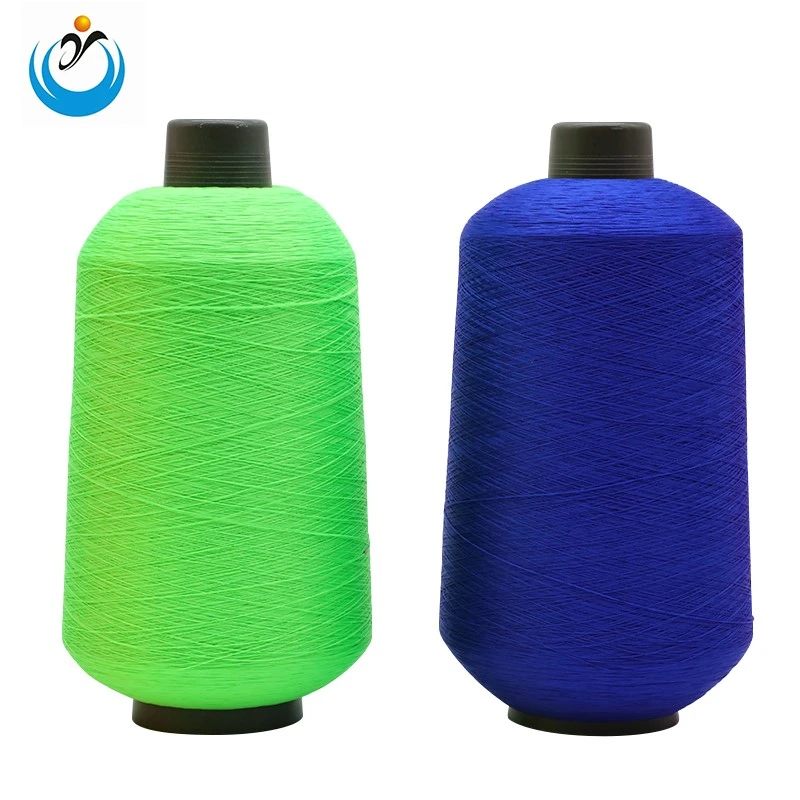
Bright colors: Nylon fibers are easy to dye and can maintain the brightness and durability of colors. This makes socks more visually attractive and able to resist fading during washing.
Lightness: Nylon fiber is relatively light, which helps to reduce the overall weight of the socks and increase wearing comfort, especially suitable for sports and daily wear.
Maybe you still want to know
1: What are the main applications of this type of yarn?
This type of yarn is used in many industries. They are often used to make durable industrial fabrics, such as car seats, carpets, industrial filter fabrics, and various engineering fabrics. Due to their excellent wear resistance and strength, this type of yarn is also used in various machinery and construction materials. In addition, they can also be found in sports equipment, outdoor equipment and some high-performance textiles.
2: How durable is this yarn?
This yarn is known for its excellent durability. It has excellent resistance to wear and tear and can withstand high mechanical pressure and friction, so it performs well under high-intensity and high-load conditions. Its tear and stretch resistance also make it less susceptible to damage in long-term use. In actual applications, it can often maintain long-term performance without significant degradation, which is particularly important for industrial products that need to be used for a long time.
3: Is this yarn waterproof or moisture-proof?
This yarn is usually not waterproof on its own, but its waterproof and moisture-proof capabilities can be improved through specific treatments or coatings. Many manufacturers offer specialized post-treatment processes, such as waterproof coating or moisture-proof treatment, to enhance the waterproof properties of the yarn. In some cases, this yarn can be combined with other materials to form a composite material with excellent waterproof properties, suitable for demanding environmental conditions.
4: Are any special chemicals used in the production process of this yarn?
Some special chemicals may be used in the production of this yarn to enhance its performance. For example, dyes, UV inhibitors, antibacterial agents, etc. can be added to the yarn to improve its color durability, UV resistance or prevent bacterial growth. However, modern manufacturers usually follow strict environmental standards and choose low-toxic or non-hazardous chemicals to reduce the impact on the environment and human health.
5: What is the strength and ductility of this yarn?
This yarn has high strength and moderate ductility. Its tensile strength allows it to withstand large loads without breaking, while its moderate ductility allows it to stretch to a certain extent without losing its shape when subjected to tension. This feature allows it to adapt to different processing processes during the manufacturing process while ensuring the reliability and performance of the final product.
6: What is the environmental performance of this yarn?
Environmental performance is often closely related to the production process of the yarn and the treatment of the materials. Although the yarn itself may be a synthetic material, many manufacturers are committed to reducing environmental impact during the production process. For example, they may use energy-saving production processes, reduce waste generation, and recycle production waste to improve environmental performance. In addition, some manufacturers may also provide products that meet environmental certification standards to further ensure their environmental friendliness.
Hot Tags: nylon industrial yarn, China nylon industrial yarn manufacturers, suppliers, factory
Previous
Green Nylon YarnNext
Coverd Nylon YarnSend Inquiry


