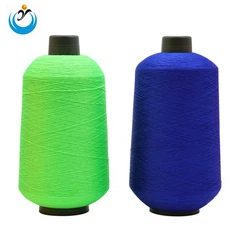

Nylon Multifilament Yarn
Description
Technical Parameters
Products Description
Nylon multi-strand filament yarn is an advanced yarn product made of high-strength nylon fiber. It plays an important role in many fields due to its excellent performance and wide applicability. With its significant advantages, this yarn occupies a pivotal position in modern industry and daily life.
First, the yarn has extremely high tensile strength, making it ideal when manufacturing products that require high durability and strength. This kind of yarn can provide excellent mechanical properties through a specific manufacturing process to ensure that it will not break easily when exposed to external forces. This characteristic makes nylon yarn excellent in many applications requiring high strength, such as climbing ropes, fishing nets, and industrial fabrics. In these applications, the strength of nylon yarn can effectively increase the service life of the product and reduce the frequency of replacement, thus improving economy and efficiency.
Secondly, the elasticity and recovery of nylon fiber are also one of its significant advantages. This yarn has excellent elasticity and can quickly return to its original state even after being stretched to a large extent. This elasticity makes nylon yarn particularly suitable for use in sportswear, underwear, swimwear and other garments that require comfort and fit. In these garments, nylon yarn can provide a good wearing experience, and at the same time, can effectively reduce friction and discomfort during sports or other activities, and improve overall comfort.
In addition, nylon fibers have significant abrasion resistance. After long-term use, nylon fiber can still maintain good condition and structural stability, which makes it very suitable for manufacturing carpets, curtains, cushions and other home textile products. This kind of wear resistance not only increases the durability of the product, but also maintains a good appearance and extends the service life in environments with frequent use. For those products that need to withstand heavy wear and tear, nylon yarn is undoubtedly a quality choice.
The hygroscopicity of nylon fibers is moderate and lower than that of natural fibers. This property makes nylon yarn suitable for making quick-drying products. In activewear and swimwear, for example, nylon yarns quickly wick away and dry moisture, preventing moisture retention, improving comfort and performance. This quick-drying property is especially important during high-intensity exercise and water activities, helping to keep the wearer dry and comfortable.
In addition, nylon fibers are relatively resistant to many chemicals, including oils and many solvents. This feature makes nylon multi-filament yarn outstanding in industrial applications. For example, nylon yarn is widely used in industrial filter cloths, conveyor belts and other fields. In these applications, the yarn needs to be able to resist the erosion of various chemicals. The chemical resistance of nylon fibers ensures the stability and reliability of these industrial products, thereby improving work efficiency and safety.
Finally, the lightweight nature of nylon yarn cannot be ignored. Nylon fiber is lightweight, allowing the fabric or product to be made into a fabric or product that is highly portable while maintaining strength and durability. This feature is particularly important when manufacturing luggage, tents, parachutes and other products that need to be lightweight and durable. Nylon yarn can provide the required strength and durability without adding too much weight, making the product more practical and convenient.
Products Description

Nylon polymer
As an important synthetic fiber material, nylon plays a key role in the field of yarn manufacturing. Among the many types of nylon, nylon 6 and nylon 66 are particularly common. They are each produced through specific chemical reactions and bring excellent properties to the yarn.
Nylon 6 is formed by the polymerization process of an organic compound called caprolactam. Under specific conditions, the molecular structure of caprolactam gradually connects into a long chain of high molecular polymers through a series of chemical bond reorganization and polymerization reactions, and finally constitutes nylon 6 material. This material has excellent strength and flexibility, which makes the yarn made of nylon 6 show good tensile resistance when subjected to tension, while maintaining a certain degree of softness, suitable for a variety of textile applications.
Nylon 66 is made by condensation polymerization of two different chemical substances, adipic acid and hexamethylenediamine. The molecular structures of adipic acid and hexamethylenediamine contain functional groups that can react with each other. Under the action of appropriate temperature, pressure and catalyst, they undergo condensation reaction, remove small molecules such as water molecules, and form large molecular nylon 66 polymers. Yarns made of nylon 66 often perform better in wear resistance and heat resistance, so they are often used in fields that require higher performance requirements, such as industrial textiles or high-performance clothing.
In short, the two types of nylon, nylon 6 and nylon 66, provide nylon yarns with rich and diverse excellent properties by virtue of their special chemical synthesis process and unique chemical structure, meeting the diverse needs of different fields and application scenarios.
Special Additives
Plasticizers: Plasticizers are a class of chemicals that can improve the flexibility and processability of nylon yarns. They make the fiber structure softer and reduce the rigidity of the yarn by inserting molecular chains inside the fiber. This modification makes nylon yarns easier to weave and process, especially for textiles that require high flexibility and comfort. For example, plasticizers are often used in the production of elastic underwear, sportswear and other textiles that require a soft feel.
Antioxidants: The main function of antioxidants is to prevent nylon fibers from degrading due to oxidation during processing and use. Oxidation can cause problems such as reduced fiber strength, yellowing of the appearance, and brittleness of the material. Adding antioxidants can effectively extend the service life of nylon yarns and maintain their original performance and appearance. The role of antioxidants is particularly important in applications where high temperature environments or long-term exposure to air are used.
UV inhibitors: UV inhibitors can protect nylon yarns from damage by ultraviolet (UV) radiation. Ultraviolet rays can cause changes in the chemical structure of nylon fibers, resulting in a gradual loss of fiber strength and elasticity, and ultimately leading to aging and breakage of the yarn. In outdoor applications, such as outdoor sports equipment, tents, parasols, etc., the use of UV inhibitors can significantly extend the service life of the yarn and maintain its stable performance.

Application areas of this product
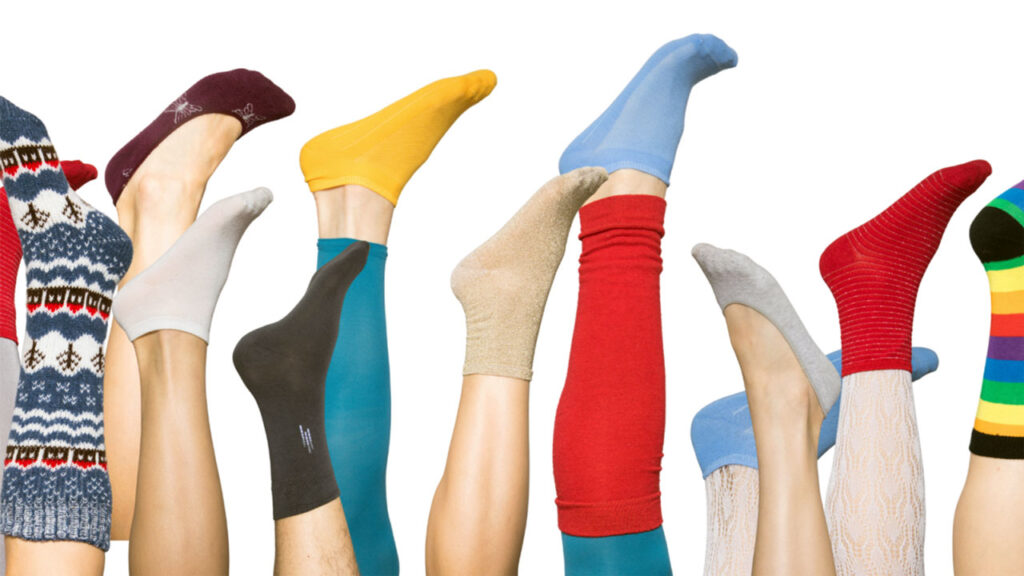
Socks:
This yarn has important applications in sock manufacturing, and its excellent properties make it an ideal material for making various types of socks. First, the high strength of nylon fiber ensures the durability of socks, allowing them to withstand daily wear and multiple washings without being easily worn or broken. As a frequently used daily wear item, the durability of socks is crucial to consumers, and nylon yarn just meets this need.
Second, the elasticity and recovery of nylon fiber enable socks to provide a good fit when worn. Whether it is sports socks, casual socks or compression socks, nylon yarn can effectively fit the contours of the foot, prevent the socks from slipping or deforming during activities, and increase the comfort and stability of wearing. In addition, the elasticity of nylon yarn helps socks maintain their original shape, and the socks will not become loose or deformed even after long-term wear and washing.
In addition, nylon fiber has moderate moisture absorption and quick-drying properties, allowing the socks to effectively wick moisture when the feet sweat and dry quickly. This feature is especially important for sports socks as it helps keep feet dry and reduces abrasion and discomfort caused by moisture.

sportswear:
This yarn is widely used in sportswear, mainly due to its high strength, excellent elasticity and quick-drying properties, which make it an ideal material in the field of sportswear. The following is a detailed description of its application in sportswear.
First, the high strength of nylon fiber enables sportswear to withstand various tensions and wear during intense exercise. Whether it is during running, cycling or fitness, sportswear often needs to withstand frequent stretching and friction. The high strength of nylon yarn can effectively prevent clothing from tearing or wearing, thereby extending the service life of sportswear. This durability is particularly suitable for clothing that needs to withstand high-intensity exercise, such as running pants, sports vests and yoga pants.
Secondly, the excellent elasticity of nylon fiber allows sportswear to fit closely to the body while maintaining good comfort and freedom. Sportswear needs to provide good support during exercise and adapt to various movements and postures of the body. The elasticity and recovery of nylon multi-filament yarns allow sportswear to quickly return to its original shape after stretching and deformation, maintaining the shape and function of the clothing. This feature is particularly important for running pants and yoga pants, which need to provide sufficient elastic support during exercise without affecting sports performance.
Maybe you still want to know
1: How strong is this yarn? What level of stretching and use can it withstand?
This yarn is known for its exceptional strength and is able to withstand considerable stretch and stress from use. Its tensile strength is much higher than many other fibers, making it ideal for use in products that need to withstand high intensity and frequent use. For example, it can withstand the friction and stretching caused by high-intensity sports such as running and rock climbing, so it is often used in sportswear, climbing ropes and industrial fabrics. Its durability and stability ensure that the yarn will not break or fray easily under prolonged use.
2: How is the elasticity of this yarn? Does it maintain good shape and comfort?
This yarn has excellent elasticity. It can quickly return to its original state after being stretched, ensuring the comfort and shape stability of the textile during use. This property makes it ideal for use in products that require a good fit and elasticity, such as activewear, underwear and yoga pants. Textiles can provide comfortable support during intense exercise and retain their shape, improving the wearing experience.
3: How hygroscopic is this yarn? Is it suitable for sportswear that needs to wick away sweat quickly?
This yarn is moderately hygroscopic and stands out for its quick-drying properties. During exercise, the human body produces a large amount of sweat, and this yarn can effectively wick away moisture and dry quickly, keeping the wearer dry and comfortable. This makes it ideal for use in the manufacture of athletic apparel such as running pants, athletic vests and other garments that require efficient perspiration wicking. This quick-drying performance not only improves wearing comfort, but also reduces the discomfort caused by sweat.
4: What is the abrasion resistance of this yarn? Is it suitable for applications in high wear environments?
This yarn is very abrasion resistant and can maintain good performance in high-abrasion environments. Its wear-resistant properties make it ideal for products that are subject to frequent friction and wear, such as sports insoles, industrial filter cloths and carpets. This yarn effectively resists wear and tear, extending the life of your product while maintaining its appearance and functionality.
5: Is this yarn resistant to chemicals? What common chemicals is it resistant to?
The yarn has good chemical resistance and is resistant to many common chemicals, including detergents, oils and some solvents. This property makes it excellent in a variety of industrial applications, such as the manufacture of industrial filter cloths and conveyor belts that need to be resistant to chemicals. In addition, its chemical resistance also makes the product easier to clean and maintain, reducing damage caused by chemicals.
6: Does the lightweight nature of this yarn contribute to the portability and comfort of the product?
Yes, the lightweight nature of this yarn does add to the product's portability and comfort. Because the yarn itself is so light, the resulting fabric or product does not gain much weight while maintaining strength and durability. This makes it ideal for use in products that require lightness and durability, such as travel gear, outdoor tents and backpacks. The lightweight feature not only makes the product easier to carry and use, but also improves the comfort when wearing and using it.
7: What are the environmentally friendly features of this yarn?
Environmentally speaking, this yarn also has some positive characteristics. Many manufacturers have begun to adopt more environmentally friendly production processes, reducing energy consumption and waste emissions, while using recycled materials to reduce environmental impact. In addition, the durability of the yarn also means that the product can be used for a long time, thereby reducing the need for frequent replacement and helping to reduce resource waste. For the production of sustainable products, the yarn's long life and recyclability make it a suitable choice, helping to support environmental and sustainability goals.
Hot Tags: nylon multifilament yarn, China nylon multifilament yarn manufacturers, suppliers, factory
Previous
Green Nylon YarnNext
Coverd Nylon YarnSend Inquiry