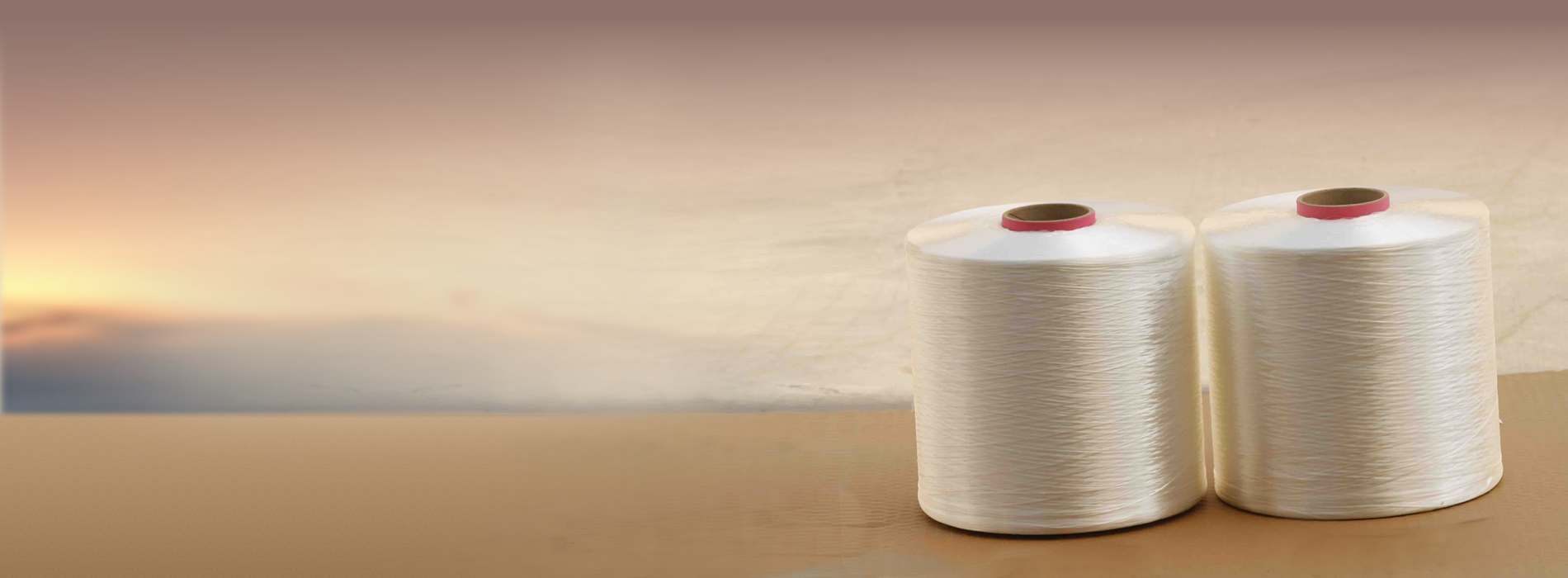
Nylon Yarn: Meeting Sustainability Challenges in Textile Durability And Eco-Friendliness
Nov 07, 2024
Leave a message
Against the backdrop of increasing global environmental awareness, the textile industry is facing unprecedented pressure. As an important component of modern textile materials, how can nylon yarn ensure the durability of the material while promoting the industry's transformation towards sustainable development? This is not only the focus of textile manufacturers, but also a question discussed by consumers, policymakers and environmental organizations.
Why does nylon yarn have an advantage in durability?
Nylon yarn is known for its excellent durability and has significant wear, stretch and tear resistance in textiles. This material originated in the 1930s and was first developed and marketed by DuPont. At that time, the application of nylon was mainly concentrated in parachutes, ropes and other fields that required extremely high durability. Today, nylon yarn has been widely used in sportswear, outdoor equipment, industrial fabrics and consumer products due to its excellent strength and elasticity.
With the development of technology, the characteristics of nylon yarn have been further improved, such as stronger wear resistance, longer-lasting elasticity, and even stable performance under different conditions. These advantages make nylon yarn an ideal material for products that need to be washed and worn frequently (such as sportswear and socks). However, it is this durability that also makes nylon yarn face considerable challenges in terms of environmental friendliness.


Environmental dilemma: Can the sustainability of nylon yarn be improved?
The durability of nylon yarn is similar to that of plastic products, and this toughness also means that it is difficult to decompose in the natural environment. Usually, it takes hundreds of years for traditional nylon yarn to decompose. The long degradation cycle not only causes environmental pollution, but also exacerbates the problem of microplastic pollution. The hazards of microplastics, especially the threat to ecosystems and human health through the food chain, have gradually been widely studied and revealed. For the textile industry, how this material can reduce its impact on the environment while maintaining durability has become an issue that cannot be ignored.
Solution: The rise of recycled nylon
In order to solve the environmental problem of nylon yarn, many companies and scientific research institutions have begun to explore the production of recycled nylon. Recycled nylon uses recycled waste nylon products and converts them back into raw materials that can be spun into yarn through chemical degradation and recycling processes. This not only avoids the pollution of waste nylon to the environment, but also reduces the demand for mining new raw materials.
One of the more common recycled nylon technologies on the market is Econyl technology, which was developed by Aquafil in Italy. Econyl technology can decompose discarded fishing nets, carpet fibers and industrial plastics to make new nylon yarns with the same durability and performance as traditional nylon. The promotion of Econyl technology has brought new possibilities for the sustainability of nylon yarns.
How does nylon yarn promote the green transformation of the textile industry?
The recycling technology of nylon yarn is not only an environmental protection measure, but also a key path for the textile industry to move towards green production. Compared with natural fibers such as cotton and wool, nylon production energy consumption is relatively low and can be highly recycled. Therefore, if recycled nylon technology is widely used in the future, the overall carbon footprint of the industry will be significantly reduced.
In addition, recycled nylon yarn also provides more options for designers and brands. Through recycled nylon, brands can better convey environmental protection concepts to consumers, and designers can also create fashionable works with environmental protection concepts. This material has become increasingly popular in sportswear, outdoor equipment, fashion accessories and other fields. For example, many well-known sports brands and luxury companies are trying to use recycled nylon to make products, and have won the favor of consumers.
The future of nylon yarn: dual research and development of high-performance materials and degradable materials
Although recycled nylon yarn has achieved certain results in environmental protection, it is not the ultimate solution. In order to further reduce environmental impact, the development of degradable nylon yarn has become a new research direction. By adding degradation agents or changing the material structure, degradable nylon can be decomposed in a shorter time, thereby greatly reducing the impact on the natural environment.
However, the current degradable nylon technology still faces many challenges, such as the balance between degradation rate and material durability. If the nylon yarn degrades too quickly, it will not meet the long-term wearing needs in practical applications; if the durability is too strong, it is difficult to achieve rapid degradation. Therefore, how to find a balance between durability and degradability is the key that researchers need to break through in the future.

The role of consumers: environmental awareness and consumer choice
In the process of promoting the sustainable development of nylon yarn, consumers also play an important role. With the increase of environmental awareness, more and more consumers are willing to pay for environmental protection and choose to use recycled materials or sustainably produced textiles. This trend has prompted the textile industry to pay more attention to environmental protection technologies in research and development and production, and has also accelerated the marketization of recycled nylon and degradable nylon.
However, environmental protection is not just the responsibility of enterprises and consumers. Government policies, industry standards and regulations are also indispensable. By introducing incentive policies, the government can encourage enterprises to invest in environmental protection technologies and promote the transformation of the entire industry towards sustainability.
Conclusion: Where will the future of nylon yarn go?
Nylon yarn has gone through nearly a hundred years of development since its inception. From its initial military use to today's multi-field applications, nylon yarn is widely recognized for its durability. However, with the increasingly severe environmental challenges today, the textile industry is also facing unprecedented pressure and transformation needs. Through regeneration and degradable technologies, nylon yarn can not only continue to maintain its durable characteristics, but also make new breakthroughs in environmental protection. With the advancement of technology, the enhancement of consumers' environmental awareness and the support of government policies, the future of nylon yarn is not only about fashion and function, but also about ecological protection and sustainable development.