


Polyester Nylon Yarn
Description
Technical Parameters
Sleek and Soft Polyester Nylon Yarn from China
Polyester Nylon yarn represents a harmonious marriage of polyester and nylon fibers, each contributing unique characteristics that collectively enhance the yarn's performance and versatility. Polyester, known for its strength, stability, and resistance to wrinkles and shrinking, forms the backbone of this blend. It lends durability to the yarn, ensuring it can withstand frequent use and washing without losing its shape or integrity. Polyester also contributes excellent color retention properties, making the yarn vibrant and long-lasting even after prolonged exposure to sunlight and washing.
On the other hand, nylon brings its own set of advantageous traits to the blend. Renowned for its exceptional strength-to-weight ratio, nylon enhances the overall durability and resilience of the yarn. It provides excellent abrasion resistance, which is crucial for applications where the yarn will be subjected to friction and wear, such as in activewear, outdoor gear, and upholstery. Nylon fibers are also highly elastic and resistant to mildew and mold, adding to the longevity and usability of the yarn in various environments.
Together, the combination of polyester and nylon fibers creates a yarn that is not only robust and resilient but also versatile in its applications. It finds widespread use across different industries, including fashion, sports, home furnishings, and industrial applications. In sportswear, this yarns excel due to their moisture-wicking properties and ability to maintain comfort during physical activities. In upholstery and outdoor gear, they provide durability and resistance to environmental elements. Moreover, in industrial settings, these yarns are valued for their strength and reliability in manufacturing ropes, cords, and other heavy-duty products.
In terms of care and maintenance, this yarns are generally easy to clean and maintain. They are often machine washable, quick-drying, and retain their shape and color over time, ensuring long-lasting performance and appearance. This blend continues to be favored by manufacturers and consumers alike for its combination of durability, resilience, versatility, and ease of care, making it a staple in modern textile production and everyday applications.
Features and advantages of this product
Strength and Durability:
Nylon's reputation for strength and exceptional abrasion resistance makes it an indispensable component in this yarn. Nylon fibers are known for their high tensile strength, which means they can withstand pulling forces without easily breaking or stretching out of shape. This characteristic is crucial in applications where durability is paramount, such as in outdoor gear, upholstery fabrics, and industrial textiles. Polyester complements nylon by adding further strength and resilience. Its inherent toughness helps the yarn maintain structural integrity over time, ensuring it can endure repeated use and laundering without compromising on performance. This blend of nylon and polyester fibers creates a yarn that not only lasts longer but also retains its original shape and strength, making it highly suitable for demanding environments and applications.
Softness and Comfort:
The yarns are designed with a keen focus on comfort, offering a blend that can be tailored to provide a soft and pleasant feel against the skin. Manufacturers can adjust the ratio of polyester to nylon and the yarn's construction to achieve specific textures and hand-feel characteristics. This versatility makes the yarns suitable for a wide range of clothing applications where comfort is a priority, such as in activewear, intimate apparel, and everyday garments. The polyester component contributes to the yarn's softness and smoothness, enhancing the overall comfort level. Additionally,the yarns can be blended with other fibers or treated with finishing techniques to further improve their tactile properties, ensuring they meet the diverse comfort needs of consumers across different market segments.

Product Parameters
| CERTIFICATE OF QUALITY | ||||||
| Testing items | 78dtex/24F | NO. | ||||
| Testing items | Test results | Temp in the lab |
||||
| Titer | dtex | 78.47 | ||||
| Deviation of denier | % | 0.6 | ||||
| 25℃ | ||||||
| Breaking strength | g | 3.86 | ||||
| Variation of breaking strength | CV% | 3.28 | ||||
| Breaking enlongation | % | 27.68 | Humidity in the lab |
|||
| Breaking enlongation standard variation | CV% | 3.04 | ||||
| Curl shrinkage | % | 47.20 | 70% | |||
| Curl stability | CS% | 50 | ||||
| Elastic recovery when 300% enlongated | % | - | ||||
| Boiling shrinkage | % | - | Grade |
|||
| Oil content | % | 2.68 | ||||
| Unwinding tension | g | - | AA | |||
| Friction coeficient | - | - | ||||
| Enlongation of constanttension | % | - | ||||
Partial Product Color Display

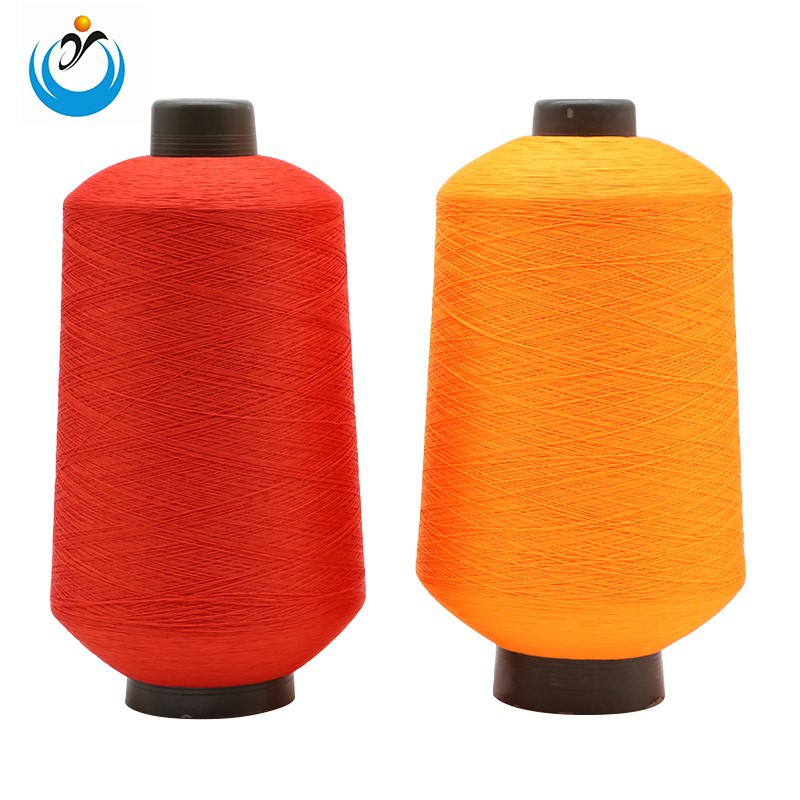
Red thread, a symbol of luck and joy in Chinese culture, is believed to bring good fortune and protect against negativity. It represents celebration, happiness, and is deeply ingrained in cultural traditions, signifying positivity and auspiciousness.

Yellow thread symbolizes warmth, happiness, and positive energy in many cultures. It's associated with joy, optimism, and enlightenment, making it a vibrant and auspicious choice.

Blue thread embodies calmness, trust, and stability, symbolizing peace and wisdom. It's often used for crafts, fashion, and décor, bringing a sense of serenity and sophistication to designs.

Nylon yarn is a staple in clothing, hosiery, lingerie, swimwear, and sportswear due to its durability, elasticity, and excellent color retention.Used in upholstery, curtains, carpets, and bedding due to its strength, versatility, and color options.

Nylon yarn finds extensive use in the industrial sector, including automotive, aerospace, and marine industries, owing to its strength, resistance to chemicals, and abrasion resistance.

Nylon yarn is known for its exceptional strength and durability, making it ideal for applications that require long-lasting performance.It can be used in a wide array of products due to its adaptability, including both apparel and industrial applications.
Products Application
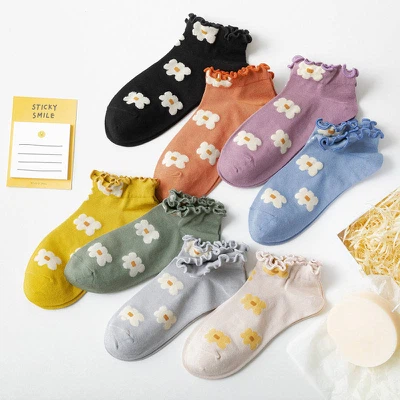
Yarn For Socks
Durability and Strength:
Incorporating nylon in sock production enhances the sock's ability to withstand wear and tear, making them longer-lasting and ideal for everyday use.
Elasticity and Shape Retention:
Nylon is highly elastic, allowing socks to stretch and conform to the shape of the foot.
Softness and Comfort:
Nylon yarns are often blended with other fibers to enhance the softness and overall comfort of the socks.
nylon yarn for webbing
Heavy-Duty and Industrial Applications:
Nylon yarn is frequently used in the production of heavy-duty woven tapes for industrial applications.
Webbing and Strapping:
Nylon yarn is a popular choice for manufacturing webbing and strapping tapes used in the automotive, cargo, and outdoor industries.
Fashion and Apparel:
It's commonly used in waistbands, drawstrings, and straps for its elasticity, durability, and ability to retain shape, providing both functionality and aesthetics in garments.

FAQ:
1. What is this yarn?
2. What are the benefits of using this yarn?
3. In which industries is nylon yarn commonly used?
4. Can the properties of this yarn be customized for specific applications?
5. How is this yarn manufactured?
6. What is the blend ratio of this yarn?
7. Is nylon yarn resistant to wrinkles?
8. Is polyester nylon yarn strong and resilient?
9. Can polyester nylon yarn be used in home textiles?
10. What are some industrial uses for this yarn?
It is a type of yarn that is made of a blend of polyester and nylon fibers. Polyester and nylon are both synthetic fibers that have excellent strength, elasticity, durability, and colorfastness. It can be used for various applications, such as knitting, weaving, sewing, and embroidery.
2: What are the benefits of using this yarn?
The benefits of using nylon yarn are:
It combines the advantages of both polyester and nylon, such as high resistance to abrasion, chemicals, heat, and water.
It has a soft and smooth touch, a bright and vivid color, and a good drape and shape retention.
It can be dyed or printed with different methods and patterns, such as solid, gradient, striped, or space dyed.
It can be customized for different specifications and functions, such as weight, thickness, twist, stretch, or moisture wicking.
3: In which industries is it commonly used?
It is commonly used in the following industries:
Textile and apparel: The yarn can be used to make various types of fabrics and garments, such as sportswear, activewear, swimwear, lingerie, socks, scarves, hats, gloves, etc.
Home and decoration: The yarn can be used to make various types of home textiles and accessories, such as carpets, curtains, sofa covers, bedding sets, cushions, etc.
Industrial and technical: The yarn can be used to make various types of industrial and technical textiles and products, such as filters, ropes, cords, nets, belts, hoses, etc.
4: Can the properties of this yarn be customized for specific applications?
Yes, the properties of it can be customized for specific applications. For example,
The blend ratio of polyester and nylon can be adjusted to achieve different levels of strength, elasticity, durability, and colorfastness.
The fineness or denier of the yarn can be varied to achieve different levels of thickness, softness, and density.
The twist or ply of the yarn can be changed to achieve different levels of texture, luster, and stability.
The functional additives or treatments can be applied to the yarn to achieve different levels of performance, such as moisture wicking, anti-bacterial, anti-static, flame retardant, etc.
5: How is this yarn manufactured?
The polyester and nylon raw materials are melted into liquid form in separate extruders.
The liquid polyester and nylon are mixed together in a specific ratio in a spinneret.
The mixed liquid is extruded through tiny holes in the spinneret to form continuous filaments.
The filaments are cooled by air or water and solidified into polyester nylon fibers.
The fibers are stretched, twisted, and wound into nylon yarns.
6: What is the blend ratio of this yarn?
The blend ratio of this yarn can vary depending on the desired properties and applications of the yarn. Generally, the higher the percentage of polyester, the more durable, colorfast, and wrinkle-resistant the yarn is. The higher the percentage of nylon, the more elastic, soft, and lustrous the yarn is. Some common blend ratios of this yarn are 65/35, 50/50, and 35/65.
7: Is this yarn resistant to wrinkles?
Yes, it is resistant to wrinkles. This is because both polyester and nylon are synthetic fibers that have high resilience and elasticity, which means they can recover from deformation and retain their shape. It can also withstand high temperatures and pressures during washing, drying, and ironing, which can help remove any creases or folds.
8: Is this yarn strong and resilient?
Yes, it is strong and resilient. This is because both polyester and nylon have high tensile strength and abrasion resistance, which means they can withstand pulling and rubbing forces without breaking or wearing out. It can also resist chemicals, heat, water, and UV rays, which can prevent degradation or damage.
9: Can this yarn be used in home textiles?
Yes, it can be used in home textiles. It can be used to make various types of home textiles and accessories, such as carpets, curtains, sofa covers, bedding sets, cushions, etc. It can provide good appearance, comfort, and durability for home textiles. It can also be dyed or printed with different colors and patterns to match the style and preference of the users.
10: What are some industrial uses for nylon yarn?
Textile Industry: Nylon yarn is used in the production of fabrics and textiles for workwear, uniforms, and industrial applications due to its resilience and abrasion resistance.
Automotive Industry: It's employed in seatbelts, airbags, and tire cords for its strength and impact resistance, enhancing automotive safety.
Aerospace Industry: Nylon yarn is used in aircraft components, parachute cords, and aerospace textiles due to its lightweight yet robust characteristics.
Fishing and Marine Industry: Fishing lines, nets, and marine ropes benefit from nylon's excellent tensile strength, resistance to water, and UV stability.
Construction Industry: Nylon yarn reinforces concrete, improving tensile strength and crack resistance in construction applications.
Military and Defense: It's used in various military gear, including uniforms, bags, and equipment, due to its ruggedness and durability.
Industrial Filters: Nylon yarn is used in the production of filter fabrics, enhancing filtration performance in industrial applications.
Electronics Industry: It's employed in cable and wire insulation due to its electrical insulating properties and flame resistance.
Hot Tags: polyester nylon yarn, China polyester nylon yarn manufacturers, suppliers, factory
Previous
Coverd Nylon YarnNext
Wool Nylon Sock YarnSend Inquiry


